68% of CIOs rank vendor consolidation as a top 2026 priority, with enterprises trimming SaaS portfolios 23% over 18 months. But surviving vendors are shifting to consumption-based pricing that exceeds budgets by 40%, turning vendor count reduction into a cost transfer rather than actual savings. This guide outlines how to build a pricing-aware consolidation strategy that avoids hidden cost overruns.
Tag: software engineering
7 posts tagged with "software engineering"
The agent observability market has misaligned per-seat and per-trace pricing that punishes production multi-agent deployments and prices out solo developers. The best 2026 AgentOps tool depends on scalable pricing models, with open standards and solo-developer-focused bundles emerging as key market differentiators.
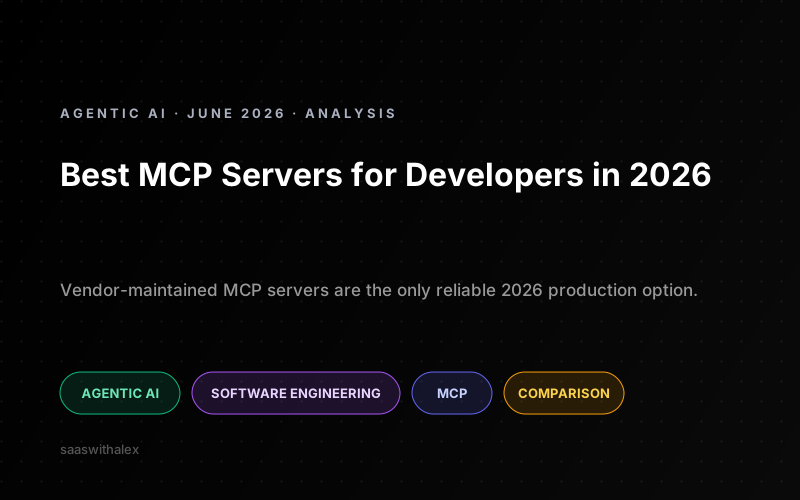
The 2026 MCP ecosystem has over 10,000 public servers, but production-grade options are almost exclusively maintained by first-party vendors. Community servers show catastrophic failure rates under load, while vendor-maintained servers offer OAuth support, active maintenance, and reliable performance for agent workflows.
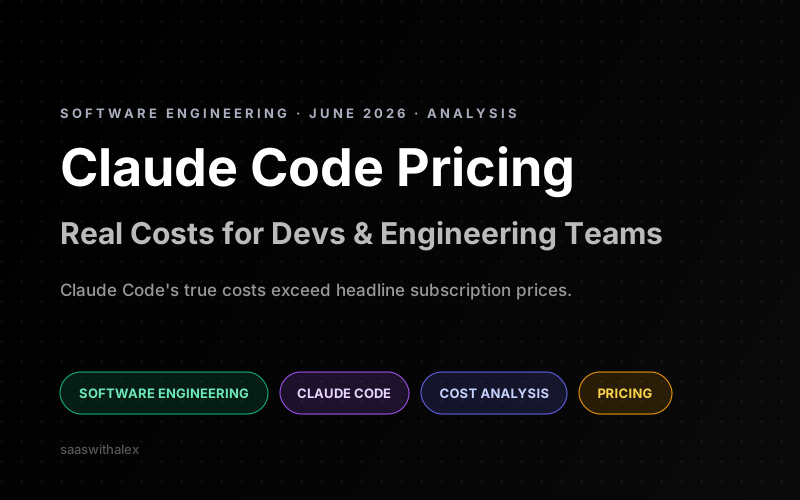
Anthropic's June 2026 billing restructure split Claude Code usage into interactive and programmatic billing surfaces. The $20, $100, and $200 subscription tiers are only entry fees, with real costs driven by per-token programmatic credit usage and API rates. Engineering teams must account for these hidden cost drivers to avoid surprise monthly bills.
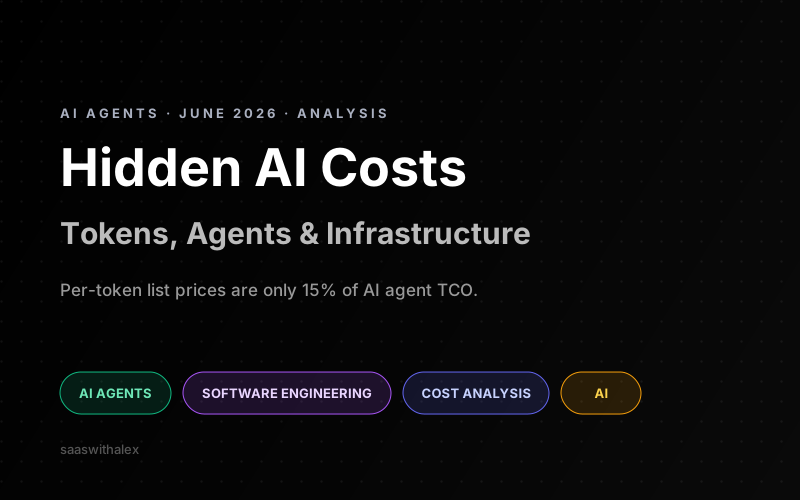
Input token costs have dropped 85% since GPT-4's 2023 launch, yet enterprise AI budgets are collapsing worldwide. The disconnect stems from the Token Cost Illusion: API list prices account for only 15-20% of total AI agent TCO, with 80-85% hidden in integration, governance, and maintenance. Falling per-token rates can't offset the massive token consumption from agentic workflows.
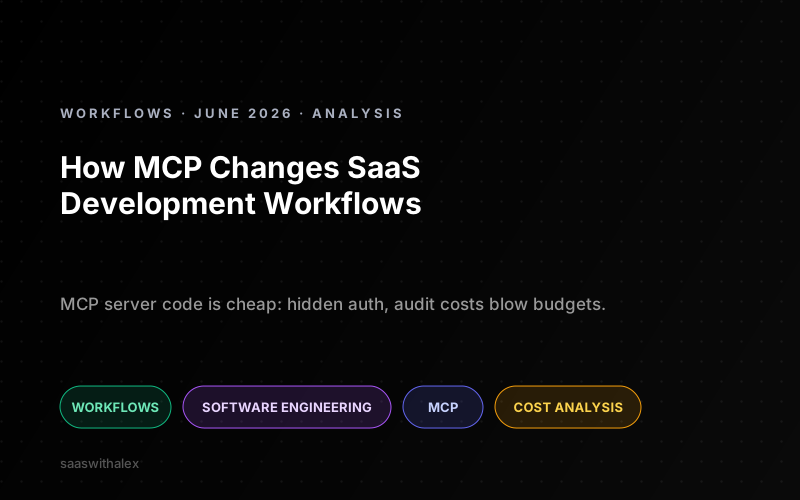
MCP has seen rapid adoption in SaaS development, but most teams underestimate the true cost of production deployments. The server code is the cheapest component, with auth, audit, safety, and token costs consuming the majority of budgets. Engineering leaders must plan for these non-functional requirements to avoid massive overruns.
The Model Context Protocol (MCP) and REST APIs serve fundamentally different consumers and use cases, with MCP built for AI agent runtime tool discovery and REST designed for deterministic developer integrations. Choosing the wrong protocol introduces hidden costs including context window bloat, latency overhead, and unmanaged shadow sprawl. This guide breaks down when to use each protocol and how to choose the right one for your use case.